Making Sense of Shoulder Pain When Breathing Deep: Causes, Symptoms, and Treatments

Author name

Understanding What Causes Shoulder Pain When Breathing Deep and What to Do About It

Shoulder pain can be an unsettling when it occurs simply be taking a deep breath. While there are various causes of this pain, we will discuss various underlying conditions, signs and symptoms, and the best shoulder pain treatment options. This blog post will dive into the causes of shoulder pain when breathing deeply, discuss signs that indicate the need to see a doctor, explore common conditions or causes, and discuss various treatment options.


Causes of Shoulder Pain When Breathing Deep


1. Muscular Strain - Overexertion or stress of shoulder muscles, such as heavy lifting or developing poor posture can lead to muscular strains of the shoulder. When surrounding muscles are inflamed, sharp shoulder pains can happen when taking a deep breath.


2. Rotator Cuff Injury - Rotator cuffs are the tendons and muscles that stabilize the shoulder joint. Overuse, repetitive motions, trauma, or degenerative changes such as arthritis can result in a rotator cuff injury, causing pain when breathing deeply.


3. Pleurisy - Pleurisy occurs when the lining around the lungs becomes inflamed. Infections like pneumonia or viral respiratory illnesses can lead to pleurisy. In this condition, taking deep breaths or coughing can cause severe pain in the shoulder or chest.  Pleurisy pain is often extreme and occurs with every deep breathe until resolved, which can take hours to get medical treatment.


4. Gallbladder Issues - Shoulder pain when breathing deeply may be a referred pain coming from the gallbladder. Gallbladder inflammation and gallstones can cause discomfort that radiates to the shoulder area and shoulder joint.


Conditions Associated with Shoulder Pain When Breathing Deep


1. Tendonitis - Inflammation of tendons in the shoulder, known as tendonitis, can cause pain during deep breaths.


2. Costrochondritis - Is inflammation of the cartilage connecting the ribs to the breastbone. Costrochondritis can cause sharp or stabbing shoulder pain.


3.  Pneumonia - When the lungs become infected, pneumonia can occur, leading to pleurisy and subsequent shoulder pain when breathing deeply.


4. Gallbladder Disease - Conditions such as gallstones or cholecystitis (gallbladder inflammation) can cause referred pain in the shoulder during deep breathing.


5. Lung Cancer - Rarely shoulder pain during deep breathing can be an unexpected symptom of lung cancer. Shoulder pain in the shoulder blade area that worsens when coughing, taking deep breaths, or laughing may be from the compression of a tumor.


Common Treatments for Shoulder Pain When Breathing Deep


1. Rest and Ice - Muscular strains or injuries are first treated by resting the shoulder and using ice to reduce pain and inflammation.


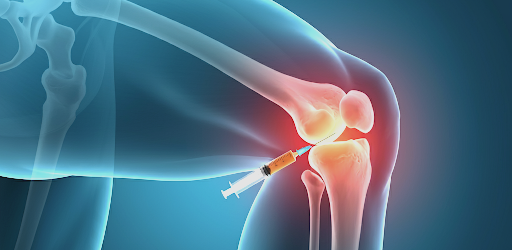
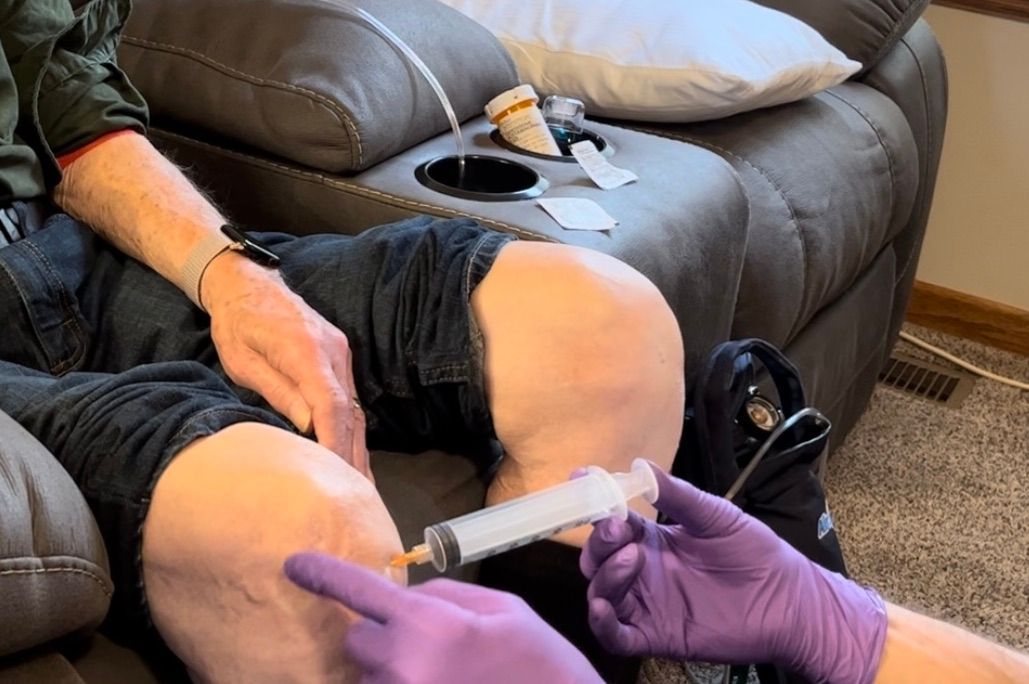
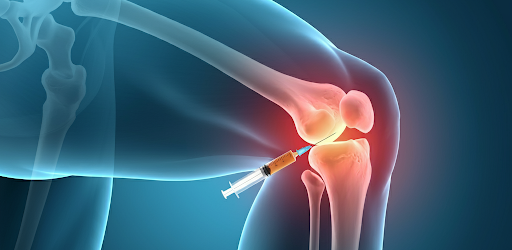
2. Regenerative Injections of Platelet Rich Plasma (PRP), Ozone Injections, Dextrose Injections, or Stem Cell Therapy Injections - In rotator cuff injuries or tendonitis, a prolotherapy provider injects the damaged tissues and arthritic joint, improving strength, flexibility, and shoulder function by natural stimulation of the body's innate healing response.


3. Medications - Over the counter Nonsteroidal anti-inflammatory drugs NSAIDs can relieve pain and reduce inflammation in minor issues. Prescription medications are used in conjunction with Regenerative Injections of PRP and Ozone.


4. Medical Intervention - If the underlying cause is a specific condition like pneumonia or gallbladder disease, antibiotics, surgery, or more medical care may be required.


Signs that Indicate the Need to See a Doctor


1. Persistent Pain:
If the pain lasts several days or intensifies over time, quickly see a healthcare provider.


2. Difficulty Breathing: Shortness of breath or difficulty breathing means its time to seek immediate medical attention, as there could be a severe underlying condition.


3. Limited Shoulder Mobility: If you notice a significant reduction in shoulder mobility or if the pain interferes with your daily activities, seek medical treatment.


Seek Medical Help


Consulting a health care provider is one of the first steps if you have shoulder pain while breathing deeply or even during normal breathing. At One Natural Health we first determine if the pain is likely muscular, which is often the case, or if it is connected to other symptoms that require further care. 


By daniel meinke January 10, 2026
COUPON CODE INSIDE
By daniel meinke January 10, 2026
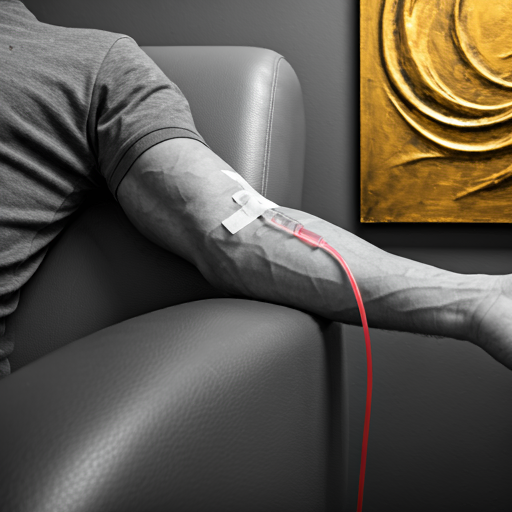
Regenerative medicine has become one of the most talked-about areas in modern healthcare. People living with chronic pain, injuries, or degenerative conditions are searching for alternatives that go beyond prescription medications or invasive surgery. Two of the most widely discussed treatments are stem cell therapy and platelet-rich plasma therapy, also known as PRP. At first glance, they may appear similar because both are designed to use the body’s own healing ability, but they are not the same. Understanding the differences is essential for patients considering regenerative options. What PRP Therapy Involves Platelet-rich plasma therapy is a process that begins with a simple blood draw from the patient. The blood is placed into a centrifuge, which spins at high speeds to separate its components. The plasma portion, rich in platelets and growth factors, is then injected into an area of injury or degeneration. The goal is to stimulate repair, reduce inflammation, and encourage tissue healing by using natural components already present in the blood. Because PRP is created from the patient’s own body, it is considered minimally invasive and carries very little risk. This approach has gained widespread popularity in sports medicine and orthopedics, helping athletes and active individuals recover from tendon injuries, joint pain, and ligament sprains. What Sets Stem Cell Therapy Apart Stem cell therapy is different because it does not simply signal the body to heal but introduces actual regenerative cells capable of transforming into new types of tissue. Stem cells are unique in that they can develop into cartilage, bone, muscle, or tendon, depending on where they are placed. They are commonly harvested from bone marrow, fat tissue, or umbilical cord tissue. Once processed, they are carefully injected into the site of injury or degeneration. This makes stem cell therapy more advanced because it not only enhances existing healing but also actively works to rebuild and replace what has been lost. How PRP and Stem Cells Work in the Body The biological action of PRP lies in its ability to release growth factors that stimulate cells already present in the body to begin the repair process. It is like sending out a powerful message that calls the body’s natural resources into action. Stem cells go a step further by being the resources themselves. They are raw materials that can transform into new tissue, providing structural repair when the damage is extensive. For individuals with mild inflammation or early signs of arthritis, PRP may be effective enough to reduce pain and restore function. In contrast, patients with severe degeneration may benefit more from the regenerative capacity of stem cell therapy. Conditions Best Suited for PRP PRP therapy has become a go-to option for conditions that require quick healing without major intervention. It is commonly used for mild to moderate osteoarthritis, tendon irritation such as tennis elbow, ligament sprains, and muscle strains. In recent years, dermatologists and cosmetic specialists have also incorporated PRP into treatments for hair loss and facial rejuvenation, further demonstrating its versatility. The appeal of PRP lies in its simplicity and its ability to stimulate healing using the patient’s own blood in a procedure that often takes less than an hour. Conditions Best Suited for Stem Cell Therapy Stem cell therapy is usually considered for more serious or advanced issues. Patients who have severe arthritis, degenerative disc disease, or significant cartilage loss may be advised to consider stem cells. Chronic ligament injuries that have not responded to other treatments are also common candidates. In some cases, experimental protocols explore the use of stem cells for autoimmune or neurological disorders, though much of that research is still in progress. Stem cell therapy is about rebuilding rather than just repairing, making it an option when the damage is beyond what PRP can reasonably stimulate. Effectiveness of Both Therapies Clinical studies have shown PRP to be highly effective in reducing inflammation and pain in cases of early arthritis and soft tissue injuries. Patients often experience faster recovery and an improved ability to resume normal activities. Stem cell therapy, on the other hand, shows greater promise in regenerating cartilage and repairing tissues at a deeper level. Results may take longer to appear because tissue regeneration is a slower process, but the potential for long-term improvement is greater. Neither therapy is a universal cure, and outcomes depend heavily on factors such as age, overall health, lifestyle, and the severity of the condition being treated. Safety Considerations Safety is an important concern for patients. PRP is generally considered very safe because it comes from the patient’s own blood, leaving little risk of rejection or allergic reaction. Side effects are usually limited to temporary soreness or swelling at the injection site. Stem cell therapy is also regarded as safe when performed under proper medical standards, but it is a more complex procedure. Risks may be slightly higher if donor cells are used or if the cells are manipulated in a laboratory before being reintroduced. For both treatments, patients should seek providers who adhere to strict safety guidelines and operate within recognized medical regulations. Cost Differences Between PRP and Stem Cells One of the most noticeable differences between the two therapies is cost. PRP therapy is relatively affordable because the procedure involves drawing blood and processing it with a centrifuge, which makes it accessible to a wide range of patients. Stem cell therapy is significantly more expensive due to the collection, processing, and sometimes laboratory preparation of the cells. While PRP sessions may cost several hundred dollars, stem cell treatments can cost thousands, depending on the complexity and the area being treated. For some patients, it makes sense to begin with PRP before investing in stem cells, especially if the condition is not severe. Choosing Between PRP and Stem Cell Therapy Deciding between PRP and stem cells often depends on the severity of the condition, the patient’s long-term goals, and financial considerations. For minor injuries, mild arthritis, or early tissue damage, PRP can be an effective and natural solution. For patients with advanced degenerative conditions or chronic pain that has not responded to other treatments, stem cell therapy may provide the deeper regeneration that is needed. A consultation with a regenerative medicine specialist is the best way to evaluate which therapy aligns with both the patient’s condition and their expectations. The Future of Regenerative Medicine Research continues to explore both PRP and stem cell therapy, with exciting advances on the horizon. Some studies are examining the combination of the two treatments, utilizing PRP to stimulate and enhance the performance of stem cells after injection. Early results suggest that this approach may offer even better outcomes. As technology advances and costs decrease, both therapies are expected to become more accessible to the general population. This ongoing innovation is shaping the future of medicine, providing alternatives that rely on the body’s natural healing capacity rather than invasive procedures. Stem cell therapy and PRP both belong to the field of regenerative medicine, yet they are not identical treatments. PRP relies on the healing power of platelets to stimulate repair and reduce inflammation, making it an effective choice for early injuries or mild arthritis. Stem cells, with their ability to transform into entirely new tissue, offer a deeper level of regeneration that is often more suitable for advanced or chronic conditions. Choosing between them depends on the extent of damage, desired outcomes, and individual health goals. At One Natural Health , we believe that understanding these differences empowers patients to make informed decisions and explore therapies that restore balance, reduce pain, and enhance long-term quality of life.
Can PRP Help Arthritis?
By daniel meinke January 10, 2026
Arthritis is one of the most common chronic conditions, affecting millions of people worldwide. Characterized by joint pain, stiffness, and reduced mobility, it can severely impact quality of life. While traditional treatments, such as medications, physical therapy, and, in severe cases, surgery, have long been the go-to solutions, recent years have seen a rise in interest in regenerative therapies. One of the most talked-about options is platelet-rich plasma (PRP) therapy. But can PRP help arthritis, or is it just another medical trend? Let’s take a closer look at how PRP works, what research says, and whether it’s a viable option for managing arthritis. Understanding Arthritis and Its Challenges Arthritis is not a single condition, but rather an umbrella term for more than 100 disorders that affect the joints. The two most common types are osteoarthritis, which is caused by the breakdown of cartilage over time, and rheumatoid arthritis, an autoimmune condition where the immune system attacks the joints. Both forms lead to pain, inflammation, and gradual loss of joint function. The challenge with arthritis is that most treatments focus on symptom management rather than reversing the underlying damage. Pain relievers, anti-inflammatory drugs, and steroid injections can provide temporary relief, but they do little to restore joint health. This has created a demand for therapies that go beyond surface-level treatment and target tissue repair at its core. What Is PRP Therapy? PRP therapy involves using a patient’s own blood to harness the natural healing power of platelets. A small sample of blood is drawn and then spun in a centrifuge to separate the components. This process concentrates platelets, which are rich in growth factors that stimulate cell repair and regeneration. The platelet-rich plasma is then injected into the affected joint to reduce inflammation and promote healing. Since PRP is derived from the patient’s own body, the risk of rejection or allergic reaction is minimal. This makes it appealing for those seeking more natural alternatives to conventional treatments. Why PRP Has Gained Popularity in Orthopedics Over the past decade, PRP has become widely used in sports medicine and orthopedics for treating tendon injuries, ligament sprains, and muscle damage. High-profile athletes have publicly credited PRP for faster recoveries, sparking mainstream curiosity. With this growing reputation, researchers and clinicians began to explore whether PRP might also benefit patients with chronic joint conditions like arthritis. The Science Behind PRP for Arthritis When PRP is injected into an arthritic joint, the growth factors released by platelets are believed to stimulate cartilage cells, encourage collagen production, and reduce inflammation. This theoretically creates an environment where tissue repair can take place, slowing down the degenerative process. Studies have shown that PRP may improve joint lubrication, which can ease stiffness and make movement less painful. There is also evidence that it reduces the inflammatory chemicals that worsen arthritis symptoms. Comparing PRP to Other Injections Traditionally, patients with arthritis are offered corticosteroid injections or hyaluronic acid injections. Steroids can provide quick pain relief but may cause cartilage damage if overused. Hyaluronic acid, often referred to as “gel shots,” aims to restore joint lubrication, but results can be inconsistent. PRP is unique because it is not just masking pain but actively encouraging the body to heal. Patients who do not respond well to steroids or gel shots may find that PRP offers longer-lasting relief with fewer side effects. Clinical Evidence Supporting PRP Research on PRP for arthritis is still evolving, but many studies show promising results. Trials comparing PRP to placebo injections have found significant improvements in pain and function for patients with knee osteoarthritis . Some studies even suggest PRP may outperform hyaluronic acid injections in terms of symptom relief and joint mobility. However, it’s important to note that not all studies are consistent. Outcomes can vary depending on how PRP is prepared, how many injections are given, and the severity of the arthritis. Despite these variations, the overall trend suggests that PRP holds real therapeutic potential. Patient Experience with PRP Patients who undergo PRP therapy often describe the procedure as straightforward and minimally invasive. After the injection, some may experience mild soreness or swelling for a few days, but recovery is usually quick. Unlike surgery, there is no downtime, and most people can resume daily activities almost immediately. The benefits typically become noticeable within a few weeks, and results can last for several months or even a year. Many patients choose to repeat treatments periodically to maintain relief. Who Is a Good Candidate for PRP? PRP tends to work best for patients with mild to moderate osteoarthritis, where there is still some cartilage left to preserve. It may be less effective for advanced arthritis where joint damage is severe, and for these patients stem cell therapy is a better option than PRP. Whether young or old, patients who wish to avoid surgery altogether can consider both PRP and stem cell therapy to keep their joints functioning and free from pain. Doctors typically evaluate each case individually, considering the patient's age, the severity of arthritis, and overall health before recommending PRP therapy. Limitations and Considerations While the outlook is promising, PRP is not a miracle cure. Results can vary significantly, and not everyone experiences dramatic improvements. Another challenge is that PRP is not always covered by insurance, meaning patients often must pay out of pocket. Costs can range from several hundred to over a thousand dollars per treatment, depending on the clinic. Additionally, PRP requires skilled administration. The accuracy of the injection and the quality of the PRP preparation can influence outcomes, making it essential to seek treatment from experienced providers. Future of PRP in Arthritis Treatment As more research emerges, PRP may become a mainstream option in arthritis management. Ongoing studies are investigating how to optimize platelet concentration, determine the ideal number of injections, and whether combining PRP with other regenerative therapies enhances outcomes. Advances in this field may one day allow for customized biologic treatments that significantly delay or even prevent the need for joint replacement surgery. Arthritis continues to be a complex condition to manage, but treatments like PRP are shifting the focus from temporary relief to long-term joint health. By tapping into the body’s own regenerative capabilities, PRP can help reduce inflammation, enhance mobility, and potentially slow down the progression of joint damage. It is not a one-size-fits-all solution, but for many patients it represents a promising alternative to medications or surgery. As clinical research evolves and techniques are refined, PRP may become a standard approach in arthritis care. At One Natural Health , we believe in exploring innovative therapies, such as PRP, that give patients more control over their health and a better chance at living a fuller, more active life.
By daniel meinke January 10, 2026
The topic of stem cell therapy safety sparks deep curiosity—and sometimes concern—among individuals exploring this groundbreaking medical option. With its promise to repair damaged tissues, reverse chronic conditions, and potentially even regenerate entire systems within the body, it’s no wonder this treatment is gaining such attention. But while excitement swells around the potential benefits, questions around its safety are equally important and deserve thoughtful answers. In this article, we’re going to take an honest, clear-sighted journey into stem cell therapy’s safety. Rather than focusing on hype or fear, we’ll break things down in a conversational, realistic way. By the end, you’ll have a much better sense of how safe this therapy is, what to expect, and whether it’s the right fit for your health journey. Understanding the Basics of Stem Cell Therapy Before we examine safety, it helps to understand what stem cell therapy is clearly. At its core, stem cell therapy involves using your body’s most primitive cells—stem cells—to stimulate healing in damaged or diseased areas. These cells are unique because they haven’t “decided” what they’re going to become yet. That flexibility allows them to transform into muscle, nerve, or tissue cells depending on the environment they’re introduced into. The stem cells may be taken from your own body—often from fat tissue or bone marrow. Once harvested, these cells are processed and injected into areas that need repair. Why People Are Turning to Stem Cell Therapy People aren’t just interested in stem cell therapy for minor aches. They're seeking it out for serious conditions like joint degeneration, autoimmune diseases, spinal injuries, and even neurological conditions. Part of the draw is that stem cell therapy is often non-surgical and minimally invasive. It appeals to those who want to avoid going under the knife, those who haven’t found relief through traditional medicine, and those who are drawn to innovation. But where there is innovation, there are also important safety questions. That’s why you must understand the whole picture—both the promise and the precautions. Safety Begins with the Source One of the most important factors in determining how safe stem cell therapy is depends on where the cells come from. Using your stem cells typically comes with fewer risks because your immune system recognizes them. This reduces the chance of rejection or inflammatory response. When cells come from donors, the risk of immune rejection is slightly higher, but not necessarily dangerous. The cells are screened and cleaned before use, and reputable clinics follow strict quality standards. Still, knowing where your stem cells are sourced from and how they are processed is a crucial part of evaluating any treatment plan. Not All Clinics Are Created Equal Here’s a hard truth: while stem cell therapy itself may be safe, not every place that offers it meets proper safety standards. Some clinics may cut corners, skip safety protocols, or use unverified products. This is where most risks arise—not from the therapy itself, but from poor execution. Choosing a clinic that’s reputable, experienced, and transparent with its methods makes a massive difference in the safety of your experience. Clinics that explain every step, source cells ethically, and provide support before and after treatment are far more likely to deliver positive outcomes. Side Effects Are Possible, But Often Mild Like any medical procedure, stem cell therapy comes with the possibility of side effects. Most of the time, these are mild and temporary things like swelling, soreness, or redness at the injection site. Some people feel fatigued or experience a low-grade fever for a day or two. These responses are typically just the body adjusting to the regenerative process. Serious side effects are extremely rare when proper protocols are followed. But it’s important to remember that every person’s body reacts differently, and results can vary depending on age, health condition, and the disease's severity. Is There a Risk of Tumor Formation? One of the concerns people often raise involves whether stem cells could form tumors. This is a valid question because stem cells, by nature, grow rapidly and can turn into different types of cells. However, this risk is mostly associated with embryonic stem cells, which are rarely used in modern clinical settings due to ethical and safety concerns. Most clinics today rely on adult stem cells, which have a very low likelihood of forming tumors. These cells are also often “pre-differentiated” or treated in ways that reduce the potential for uncontrolled growth. As long as cells are properly handled, the risk is considered extremely low. Personalized Risks vs. General Risks Just like with any medical treatment, your health profile affects the safety of stem cell therapy for you. Someone with a compromised immune system or a history of certain cancers may face different risks than someone who is generally healthy. That’s why a thorough consultation is so important. The best clinics will run tests, ask about your medical history, and help determine if this therapy is right for your specific situation. Safety Is More Than Just a Yes or No Question It’s tempting to ask: “Is it safe, yes or no?” But the answer isn’t that binary. Instead, think of safety as a spectrum, influenced by many factors: where the stem cells come from, how they’re processed, who administers them, and what your health looks like going in. When these elements are carefully considered and managed by qualified professionals, the therapy can be remarkably safe. So, is stem cell therapy safe? The honest answer is that it can be safe when handled with expertise and care. The real key lies in choosing the right provider, understanding the source and quality of the stem cells, and ensuring your treatment is tailored to your individual health needs. While no medical procedure is completely without risk, stem cell therapy, when performed responsibly, offers a promising and often life-changing option for many people. At One Natural Health , we are here to provide helpful information and treatment, guiding you through each step with clarity, safety, and compassion. If you’re considering this path, you deserve support that empowers you to make the best choice for your future.
eboo ozone price eboo cost
January 10, 2026
1 EBOO session $875 3 EBOO session packages $2400 5 EBOO session packages $3900
January 10, 2026
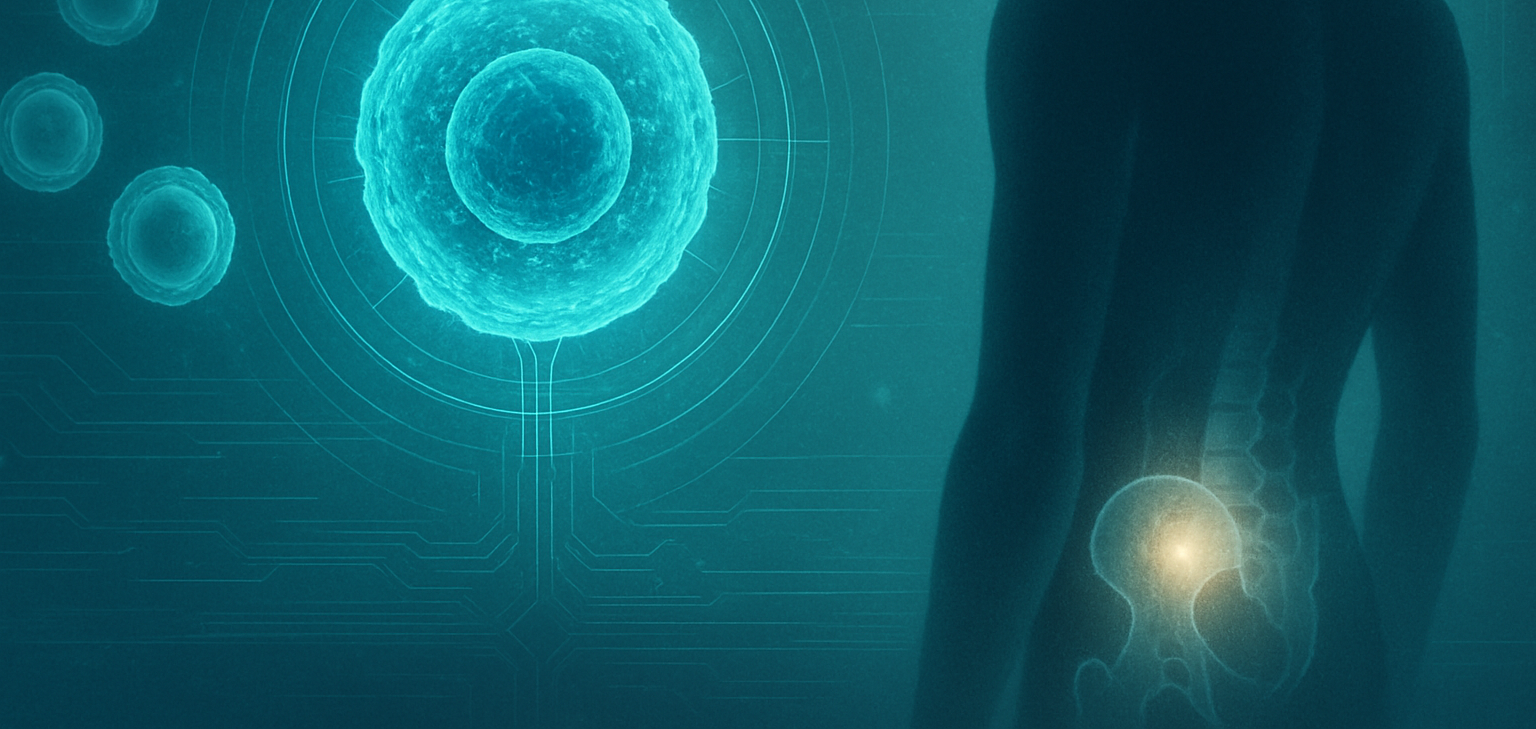
Stem cell therapy for hips is opening a transformative new path in joint health, particularly for those seeking natural, non-surgical solutions. At One Natural Health in Lincoln, Nebraska, patients are discovering a revitalizing alternative to surgery — one that fosters healing, minimizes downtime, and preserves active lifestyles. A natural, non-surgical option for hip pain Supports the body's intrinsic healing processes A potential alternative to hip replacement surgery May enhance mobility and alleviate chronic pain Active individuals, athletes, and seniors alike are embracing this regenerative approach. By tapping into the body’s own repair mechanisms, stem cell therapy offers new possibilities for restoring hip function and finding lasting relief from conditions like arthritis — without major surgical intervention. Understanding Stem Cell Therapy for Hips Stem cell therapy represents a leading-edge treatment that awakens the body’s own regenerative power. Let’s explore how this innovative therapy works — and the conditions it can address. How Stem Cells Function Stem cells are nature’s master repair system — capable of transforming into various types of cells to rejuvenate damaged tissues. Their key actions include: Regenerative Potential : Stem cells can differentiate into cartilage, bone, or soft tissue cells, making them uniquely suited for repairing injured joints. Cartilage Restoration : When cartilage—the crucial cushion between bones—wears down, pain follows. Stem cells can help regenerate this cartilage, supporting smoother, pain-free movement. Inflammation Modulation : Chronic inflammation often underlies joint degeneration. Stem cells have the capacity to downregulate inflammation, easing swelling and discomfort. Tissue Rebuilding : Stimulating new tissue growth, stem cells gradually restore structures that have been eroded by time, wear, or injury. Enhanced Blood Flow : By promoting improved vascularization, stem cells help deliver essential nutrients and oxygen, accelerating recovery. Conditions Stem Cell Therapy Can Help Stem cell treatment is not a one-size-fits-all solution. It is tailored to address specific hip conditions with precision: Hip Arthritis : As cartilage deteriorates, hip arthritis sets in. Stem cell therapy aims to rebuild cartilage and improve joint function, often delaying or preventing surgical intervention. Avascular Necrosis : When blood supply to bone tissue is compromised, bone death can occur. Stem cells assist in restoring circulation and bone vitality, potentially avoiding hip replacement. Bursitis : Inflammation of the hip's cushioning sacs (bursae) can cause sharp pain. Stem cell therapy helps soothe inflammation and promote healing at the source. Stem cell therapy is emerging as a beacon of hope — restoring comfort, mobility, and optimism to those facing degenerative hip conditions. The Upside of Stem Cell Treatment for Hips This therapy is not just about managing pain — it’s about true biological restoration and reclaiming quality of life. Success Stories and Outcomes Pain Reduction and Functional Gains : Many patients experience substantial relief within a few months. As regenerative processes unfold, mobility increases and daily activities become easier. Non-Surgical Approach : For those wanting to avoid the risks and recovery times of surgery, stem cell therapy offers a minimally invasive solution — often allowing patients to return home the same day. Delaying or Preventing Hip Replacement : By regenerating cartilage and enhancing joint integrity, stem cell treatment can significantly postpone, or even eliminate, the need for total hip replacement — especially valuable for younger and active patients. Tailored Care : Every hip is unique. Stem cell therapy is personalized based on each patient’s anatomy and condition, leading to greater treatment precision and effectiveness. Reduced Risk of Bone Collapse : In cases like avascular necrosis, stem cells help reestablish healthy bone tissue and blood supply, reducing the chance of joint collapse. Ultimately, stem cell therapy offers a future where hip pain does not define daily life — a future where natural healing empowers long-term movement and vitality. What to Expect: The Procedure Embarking on stem cell therapy may feel unfamiliar, but the process is designed to be straightforward and patient-centered. Step 1: Bone Marrow Harvesting The journey begins with harvesting your own stem cells , usually from the pelvic bone. Under local anesthesia, a highly trained provider such as Daniel Meinke, FNP collects a small sample of bone marrow using a fine needle. The procedure is quick, typically low in discomfort, and performed on an outpatient basis. Step 2: Stem Cell Processing and Injection After collection, your stem cells are purified and concentrated using advanced technology. Using 3D imaging guidance, Daniel Meinke, FNP precisely injects the stem cells into the damaged areas of your hip — maximizing accuracy and effectiveness. This meticulous targeting ensures the regenerative cells are delivered exactly where they are needed most. Step 3: Recovery and Regeneration Following the procedure, most patients return home the same day. First 24 Hours : Rest and minimal activity are recommended. 2 Weeks : Avoid heavy load-bearing activities. 3–4 Weeks : Light cardio and walking are typically reintroduced, always under provider guidance. The regenerative process continues over weeks and months, offering lasting improvements in joint health, pain levels, and mobility — a natural restoration rather than a mechanical replacement. Frequently Asked Questions about Stem Cell Therapy for Hips Does stem cell therapy work for hips? Yes. Clinical experiences and patient outcomes show that stem cell therapy can significantly improve hip joint function and reduce chronic pain. Many patients regain mobility they once thought lost — without undergoing joint replacement surgery. How much does stem cell therapy for hips cost? Costs vary depending on treatment specifics, but generally range between $3,000 to $7,000 per procedure. During your consultation at One Natural Health in Lincoln, Nebraska, you’ll receive a personalized plan and transparent pricing to fit your needs. Is stem cell therapy covered by insurance? Currently, most insurance carriers classify stem cell treatments as investigational, and thus do not cover them. However, financing options and payment plans are often available, making regenerative care accessible for those seeking a natural path to healing. What are alternatives to Stem Cell Therapy? A2M PRP Alpha 2 Macroglobulin is the latest innovation in PRP Therapy, getting closer to rivaling Stem Cell Therapy, A2M is precisely used for athletes and advanced arthritis. In Summary: Stem cell therapy for hips represents a remarkable leap forward — a science-driven, minimally invasive option to reduce pain, improve mobility, and restore the body's natural resilience. At One Natural Health in Lincoln, Nebraska, Daniel Meinke, FNP and his team are helping patients rediscover life without limits, one step at a time.
By daniel meinke January 10, 2026
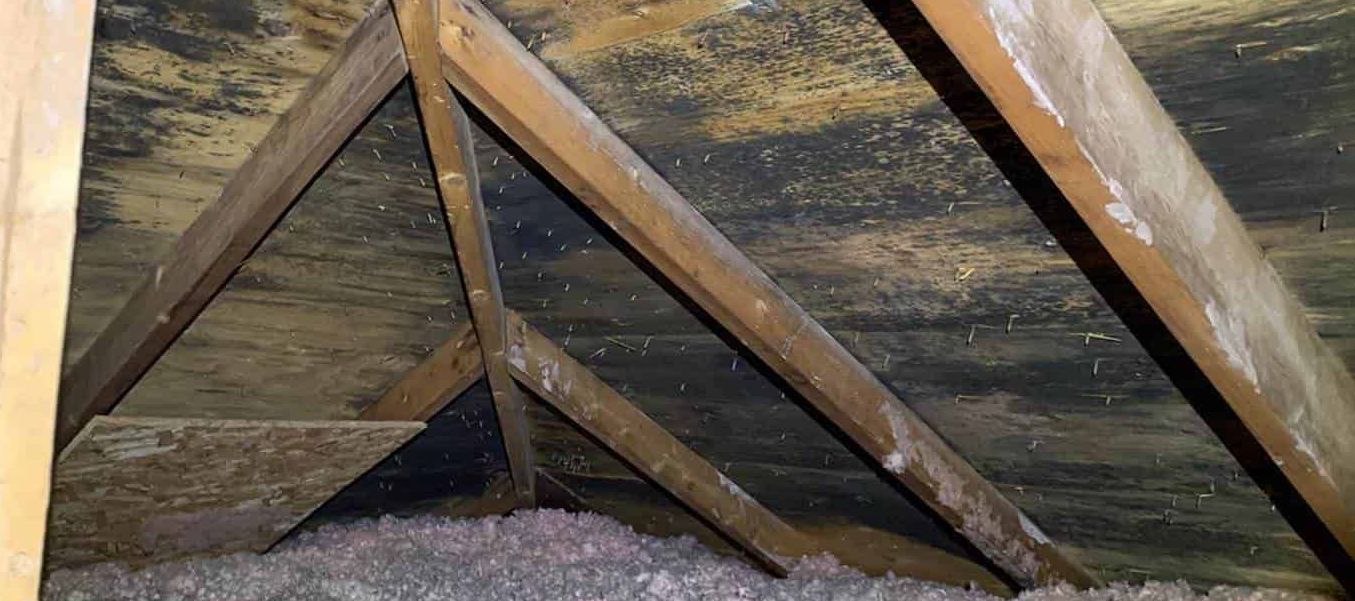
Mold Exposure Symptoms - Is this Black Mold and Toxic?
January 10, 2026
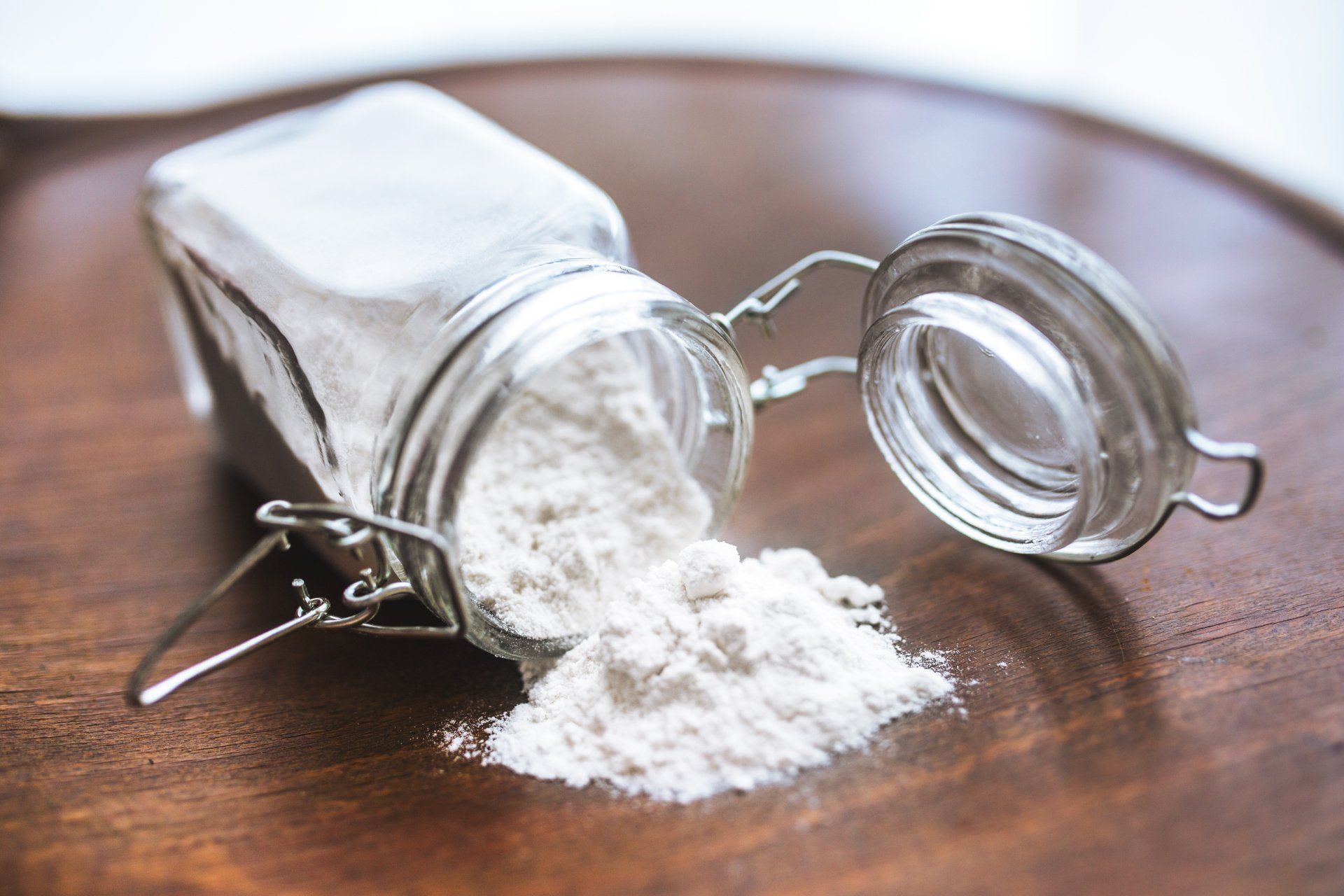
A Daily Dose of Baking Soda Can Treat Autoimmune Disease, Study Finds  Baking soda, a common ingredient that is found in your kitchen cupboards, could be the answer to treat autoimmune diseases such as Rheumatoid Arthritis, Lupus, Sjogrens Syndrome, and others. Recent research discovered baking soda (aka sodium bicarbonate) created an anti-inflammatory environment within the spleen. This suggests that drinking it regularly can help reduce inflammation that can cause autoimmune conditions (when the immune system attack healthy cells of the body).
Hyperbaric Oxygen Chamber in Lincoln Nebraska
January 10, 2026
Hyperbaric Oxygen Therapy (HBOT) at One Natural Health in Lincoln NE is a safe and effective therapy that can provide relief for a variety of conditions, including: Chronic Wounds: Accelerate wound healing and prevent infections. Brain Injuries: Improve cognitive function, memory, and concentration. Sports Injuries: Reduce inflammation and promote tissue repair. Chronic Fatigue Syndrome: Increase energy levels and reduce symptoms. Fibromyalgia: Alleviate pain and improve quality of life. Multiple Sclerosis: Improve neurological function and mobility. Decompression Sickness: Treat diving-related injuries.
By daniel meinke January 9, 2026
Platelet-Rich Plasma (PRP) therapy has become a revolutionary treatment for individuals seeking faster healing without invasive surgery. Whether you are dealing with chronic joint pain, a sports injury, or tendon inflammation, PRP injections offer a natural way to promote tissue regeneration using your own blood. Yet one of the most common concerns patients have after treatment is simple but important: how soon can you walk after a PRP injection? Understanding the healing process and what to expect during recovery can make a significant difference in your results and comfort. Understanding PRP and Its Healing Process To understand how quickly you can walk after PRP therapy , it helps to know how the treatment works. Platelet-Rich Plasma is created by drawing a small amount of your blood, spinning it in a centrifuge to separate the platelets, and concentrating them into a healing solution. These platelets are rich in growth factors, which act as messengers that trigger the body’s natural repair mechanisms. When injected into damaged tissues or joints, they stimulate cell regeneration, collagen production, and inflammation control, helping to heal the injury from within rather than just masking symptoms. This regenerative process is gradual. PRP doesn’t work overnight; instead, it strengthens tissues over several weeks as new cells form. Because it is a natural treatment, your recovery time and ability to walk afterward depend on several individual factors such as the treated area, injury severity, and your overall health. The First 48 Hours After the Injection Immediately after a PRP injection, you may feel some soreness, swelling, or stiffness around the treated area. This initial discomfort is completely normal and actually signals that the body is responding to the treatment. In these first one to two days, it’s best to minimize physical activity as much as possible. Walking short distances—like moving around your home—is typically fine but avoid overexertion or placing unnecessary stress on the joint. If your PRP treatment was in a weight-bearing joint like the knee, hip, or ankle, you should be extra cautious. Many doctors recommend using supportive aids such as a brace or crutches for the first day or two, not because you are unable to walk, but to allow the injected platelets to settle and begin the repair process without disruption. This stage is all about giving your body the chance to start healing effectively. Resuming Walking and Normal Movement After the initial 48 hours, most patients can start walking lightly again. This doesn’t mean long walks or exercise; rather, it refers to gentle movement that keeps the joint flexible without causing pain. For many people, light walking within two to three days is perfectly safe. The key is to listen to your body. If you experience discomfort or swelling, it’s best to pause and rest. Over the next week, you’ll likely notice a gradual reduction in soreness and increased mobility. While the improvement can feel encouraging, it’s important to remember that PRP continues working beneath the surface for several weeks. The healing and tissue regeneration process takes time, and overexerting yourself too soon could delay or undo the benefits of the injection. Physical Activity and Long-Term Recovery Every individual’s healing timeline is unique, but there are some general patterns that most patients experience. The first few days focus on rest and limited walking. By the end of the first week, light movement feels easier, and moderate walking or low-impact activity may be reintroduced with your doctor’s approval. Around two to three weeks post-treatment, you might notice noticeable improvements in flexibility, strength, and comfort. During this time, it’s important to avoid running, jumping, or strenuous exercise. These activities can stress the healing tissue and interfere with regeneration. Instead, gentle motion and physical therapy, if prescribed, should guide your recovery. By the fourth week or later, depending on your doctor’s recommendations, you may slowly return to more demanding physical activities. Remember, PRP is designed to stimulate long-term repair, so steady progress is far more effective than pushing for immediate results. The most successful recoveries come from patience and consistency. Maintaining proper hydration, following a balanced diet, and avoiding anti-inflammatory medications unless prescribed can all support the healing process. PRP thrives in an environment where the body’s natural responses are allowed to work without interference. Individual Factors That Affect Walking After PRP The speed of your recovery largely depends on a few personal variables. The injection site is one of the most significant factors. Treatments in smaller joints or tendons, such as the elbow or shoulder, often allow for faster mobility compared to weight-bearing joints like the knees or hips. The severity of the condition also plays a role. Someone receiving PRP for mild tendonitis will typically walk sooner than someone recovering from a more advanced joint issue or ligament damage. Your overall health and activity level can impact how quickly you heal as well. People who maintain good fitness, nutrition, and circulation often experience faster recovery responses. Conversely, conditions like diabetes, obesity, or poor circulation may slow the healing process. Another crucial factor is how closely you follow aftercare instructions. Doctors usually provide clear guidance about resting, icing, avoiding certain medications, and gradually reintroducing activity. Following these recommendations precisely helps maximize the treatment’s effectiveness. Ultimately, PRP therapy is a partnership between medical science and your body’s own biology. The more you support that natural process through proper rest and movement, the better your outcome will be. So, how soon can you walk after a PRP injection? In most situations, patients can begin light walking within a few days, with full recovery developing gradually over the following weeks. The purpose of PRP therapy isn’t just quick relief; it’s about long-term healing and the restoration of natural mobility. At One Natural Health , we believe that recovery should focus on the body’s own ability to regenerate, and PRP is a powerful way to support that process. By being patient, following your aftercare plan, and giving your body time to heal, you’ll soon regain the strength and comfort needed to move confidently again.

RELATED INFO: CLICK BELOW TO LEARN MORE